Introduction
Should an individual interested in healing but not sure where to begin, the entry-level phlebotomy job stands out as a practical and rewarding opportunity. Phlebotomy is among the most straightforward healthcare jobs offered to beginners; very short training is necessary, and in a way, students need a little experience monitoring actual patients.
While these “no path” imply different means to enter the field, gain experience, and grow in one’s career, with enough determination, training, and guidance, one can step confidently into that first position. Many employers are willing to train an inspired candidate; completing a certified program and/or externship can set you apart from the pack.
This guide will outline realistic steps to run for your first entry-level phlebotomy job, show you opportunities, and then give you insight into how to position yourself competitively, so you have a firm base on which to build your healthcare career.
It Is Possible! Realistic Expectations Will Work.
There seems to be a sense of initial overwhelm while entering any profession in healing. For aspiring phlebotomists, the biggest hurdle often is the “experience requirement.” And most of the job postings mention this prior experience, so don’t feel it can deter you. There are indeed phlebotomy jobs that require no prior experience, if pursued strategically.
Here’s what you should keep in mind:
- Patience is Key: Entry-level jobs might pay less initially, but that very experience is going to open up better opportunities.
- Training Counts: Most employers want a candidate who has completed a certified phlebotomy program, even though perhaps they have not worked in the field.
- Soft Skills do Work: Being professional, courteous, and confident with patients can make you stand out way more than years of experience.
- Be Flexible: Timetable-wise, many entry-level jobs require you to take shifts in rotation and/or be available part-time. Displaying flexibility will be a big plus for you.
Having understood such expectations, you may then concentrate on realistic job targets instead of feeling down. Remember, any professional begins their career somewhere; keep persisting is the key.
The Importance of the Externship Period
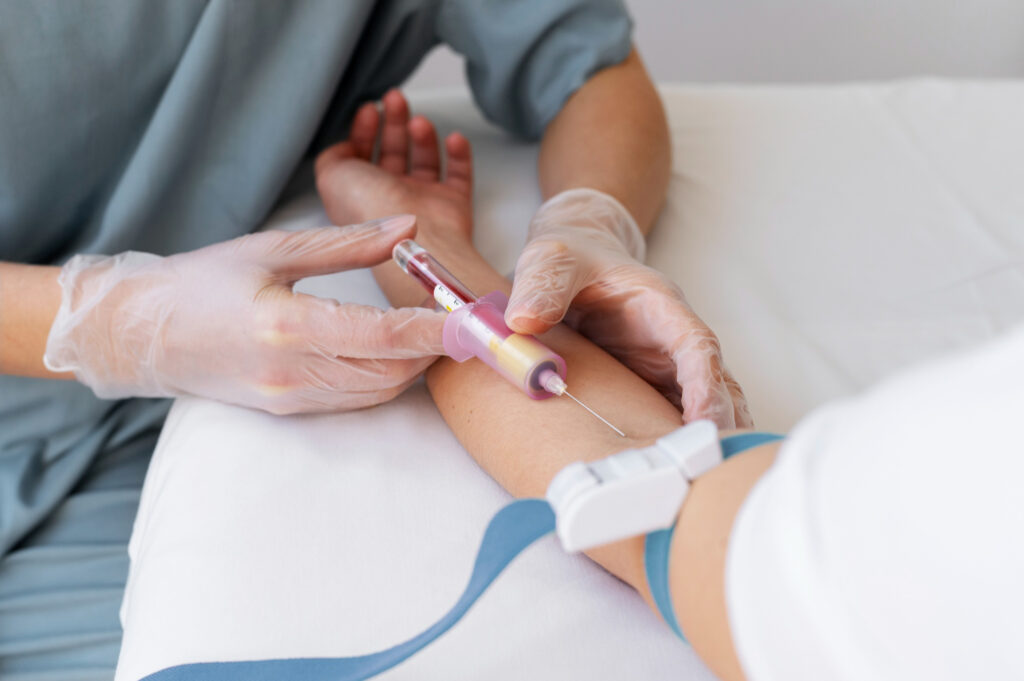
One of the very effective methods for securing entry-level phlebotomy technician jobs is through externship or clinical rotation. Externships allow one to apply their training in an actual healthcare setting while being supervised. Most certified phlebotomy training programs provide for an externship placement. These placements sometimes turn into job offers.
The advantages of doing an externship are:
- Hands-On Training in Blood Drawing: You will be doing blood draws, handling specimens, and learning workplace protocols.
- Professional Networking: Meeting lab managers and other healthcare providers will give you a higher chance of landing a job.
- Resume Builder: Employers prefer candidates who have demonstrated their skills in a real work setting and thus can confidently perform under pressure outside the classroom.
- Gain Confidence: The first day on the job would have the least anxiety for you because of the proficiency attained while handling actual patients.
- Exposure to the Various Departments: Most externships provide students with rotations through hospital labs, outpatient clinics, and blood collection units, enabling them to derive a wide understanding of the field.
Even if your training program doesn’t offer an externship on its own, volunteering at clinics, hospitals, or blood donation centers affords similar opportunities for gaining experience. Might give prospective phlebotomists the invaluable experience they crave by volunteering to learn the job technicalities at hospitals. Networking is an added advantage.
Mini Case Study:
Sarah, a recent phlebotomy graduate, worked as an extern for six weeks at a community hospital. During this time, she performed over 200 blood draws under supervision and assisted in specimen processing. Two weeks after the completion of her externship, she was hired for a full-time entry-level phlebotomy technician job at the same hospital.
Top Places That Hire Beginners
Remember to target your search accordingly if you are looking for phlebotomist jobs for beginners. Certain setups are more friendly toward hiring a candidate with little to none experience.
Plasma Donation Centers
Plasma centers are another site worth checking out. Most of them are almost always hiring entry-level phlebotomists because they handle a high volume of donations. These centers usually provide on-the-job training, so they’re perfect for someone who is just starting.
Tips For Applying:
- Emphasize your phlebotomy certification.
- Emphasize your ability to treat patients with respect.
- Show flexibility with shifts; plasma centers are usually open till late.
- Be prepared to answer the question about why you chose phlebotomy or a future-career path, and place more emphasis on patient care and learning opportunities.
Temporary Staffing Agencies
Healthcare placement agencies can actually put clinics and labs in touch with candidates searching for entry-level phlebotomy jobs near me with no experience. If you want to try out various work environments for a while before settling down, agencies are good for you.
Advantages:
- Fast placements for short- or long-term positions.
- Exposure to different settings in healthcare.
- Temps can lead to permanent positions.
- Flexibility in choosing assignments while getting paid work experience.
Hospitals and Clinics
Whereas hospitals may prefer the experienced candidate, many hospitals indeed recruit entry-level phlebotomists for training programs, especially within outpatient labs and smaller community hospitals. Volunteering or shadowing in such settings may help you stand out.
Pro Advice: Target hospitals that provide training programs for novice phlebotomists. The ability to learn and show certifications may qualify you for an interview even in a case where one lacks other requirements.
Blood Banks and Mobile Collection Units
Blood banks, Red Cross centers, and mobile collection units enter under network groups that usually require novice phlebotomists. These vivacious roles permit you to gain experience in such fast-paced, high-volume situations. Some jobs will require going out in the field to community events or drives, compelling exposure for beginners.
Extra Tip: Volunteering at blood drives while searching for a paid position can help gain the attention of recruiters. It shows commitment and some level of practical experience.
Crafting a Resume for Beginners
Even if you’re applying for phlebotomy jobs near me with no experience, a well-written resume definitely increases your chances. Employers want proof of training and skills related to their jobs and professionalism, even if you have little work experience.
Good Resume Recommendations:
List Education and Certification
- List any phlebotomy certification or training programs you may have been trained in.
- List courses in anatomy, venipuncture, infection control, and lab safety.
- List any further workshops, training, or other professional development you may have done online or otherwise.
Emphasize Soft Skills
- Strong communication with patients
- Attention to detail
- Ability to follow protocols
- Time management and the due course of work
Soft skills are very often a great compensation for formal experience in beginner roles.
Volunteer or Internship
- Help in hospitals and blood drives speaks better than any hands-on experience.
- Include things such as: assisting nurses, specimen handling, and assisting lab staff.
Using true examples will add validity to your answers.
Make it Clear and Professional
- Bullet points support great readability.
- Minimize clutter or unnecessary graphics.
- Tailor each resume to each job posting you are applying to.
Sample Resume Headline:
Certified Phlebotomy Technician | Patient Care & Venipuncture Expertise | Entry-Level Phlebotomy Jobs
Added Tip: For the “Summary” section we would highlight the applicant’s motivation to be employed in phlebotomy:
“Compassionate and dedicated graduate of a phlebotomy program with in-field clinical experience seeks an entry level position to provide safe and effective patient care.”
First-Time Interview Tips
Getting an interview for an entry-level phlebotomy jobs can be considered a success. Preparing with a strategy will surely help you wow the hiring managers and get your very first job.

Know the Basics
You’ll be asked questions like the following:
- Steps of proper venipuncture
- Infection control procedures
- How to deal with difficult patients
- Laboratory safety and HIPAA compliance
Showing knowledge, even for someone who has never done this professionally, is a way of demonstrating initiative.
Dress for Success
The health care field is all about cleanliness and professionalism. When you dress appropriately, you are indicating that you understand the workplace and are ready to start.
Show Interest
Employers are looking for candidates who actively demonstrate interest in the phlebotomy field. Just let them know what drives you, and how you are eagerly learning and taking care of patients.
Practice Common Interview Questions
- “Why do you want to be a phlebotomist?”
- “How do you keep a patient comfortable while you draw blood?”
- “What would you do if you encountered a difficult vein?”
Develop your answers using examples from your training, volunteer work, or school externship. Using true examples will add validity to your answers.
Ask Questions
Thoughtful questions about job conditions, training, and advancement opportunities can also serve as markers to others of your sincere interest in pursuing a career.
Bonus Tip: If you are able to practice interviewing with a friend or mentor, it will likely decrease your anxiety and improve your interviewing skills.
Where To Look For Entry-Level Phlebotomy Jobs.
Knowing where to find entry-level jobs is almost as important as knowing how to prepare for your interview. Some appropriate locations for entry-level phlebotomy jobs prospecting include:
Online Job Boards.
- Indeed, Glassdoor, and Phlebotomist Jobs will frequently have listings for anyone looking for entry-level jobs in phlebotomy.
- Use search strings, such as “entry-level phlebotomy jobs” or “phlebotomy jobs no experience.”
Healthcare Staffing Agencies
These agencies will correspond with lots of facilities, allowing you to gain more experience more quickly.
Networking
- Be involved in phlebotomy or healthcare groups on social media.
- Attend local job fairs and community blood drives.
- Networking may lead to jobs that are not posted.
Direct Applications
- You could also check hospital websites for job openings or community clinics and plasma centers.
- Proactive applications work in your favor, especially when positions aren’t labeled entry-level phlebotomy job.
Pro Tip: Use a spreadsheet to keep track of whom you spoke with and follow up. Taking an organized approach can only increase your chances of landing a job sooner.
Frequently Asked Questions About Entry-Level Phlebotomy Jobs
Is it possible to work in a phlebotomy position without any experience?
Yes! Many facilities will consider hiring candidates without experience if you have completed a certified training program, externship, or volunteer experience.
How long does it take to get certified in phlebotomy?
Four to eight weeks is usually sufficient for certification programs when one has externships plus hours. In these instances, one could quickly qualify forentry-level phlebotomy technician jobs.
What is the starting pay rate for a beginner?
Depending on geography, starting pay ranges from $14-$18 per hour for an entry-level position. Plasma centers and staffing agencies may pay slightly more, along with overtime opportunities.
Can I work part-time starting?
Definitely. Many entry-level jobs provide flexible schedules, part-time shifts, and temporary work-both great options for students or those changing careers.
Where are the best places to start a career?
Start at plasma centers, temporary staffing agencies, blood banks, small hospitals, and clinics. These organizations train most of the time available and operate as supportive environments for people new to the field.
What can I do to improve my chances of getting hired quickly?
Become certified from a training program.
Volunteer at clinics or blood drives.
Network with healthcare professionals.
Make sure your resume is tailored for each position, and emphasize your soft skills.
Conclusion
Sometimes, a career in phlebotomy takes years, not much prior experience. Get trained, complete the externship, target sites that would hire newbies, and make a good resume; you can now get entry-level phlebotomy jobs as a new person.
Your persistence, professionalism, and willingness to learn spell success. These entry-level positions provide practical experience, building your confidence with patients and opening the doors for higher-level opportunities in health care. If you are dedicated and trying hard enough, your very own entry-level phlebotomy jobs is just around the corner.
Are you ready to make the first step? Check out phlebotomy jobs listed on our portal today!
For additional information on starting a phlebotomy career, see our previous article on phlebotomy as an entry-level healthcare job.
Follow us on Social Media: LinkedIn | Facebook | Twitter | Instagram